Summary of the sources linked above. Verify anything time sensitive.
Prices and times are estimates. Check with the operator before you book.
The main-island bio bay with a mangrove overture
Laguna Grande is not reached by boardwalk. The bay sits inside the Reserva Natural Las Cabezas de San Juan in Fajardo, surrounded by red mangrove. Access comes by kayak, after roughly thirty minutes of paddling through narrow channels between mangrove roots. That channel is not dead time, it is the opening act. The water ahead stays dark until a paddle stroke or hand movement wakes the dinoflagellates. The organisms responsible are Pyrodinium bahamense, the dinoflagellates behind Puerto Rico's best-known bio bays.
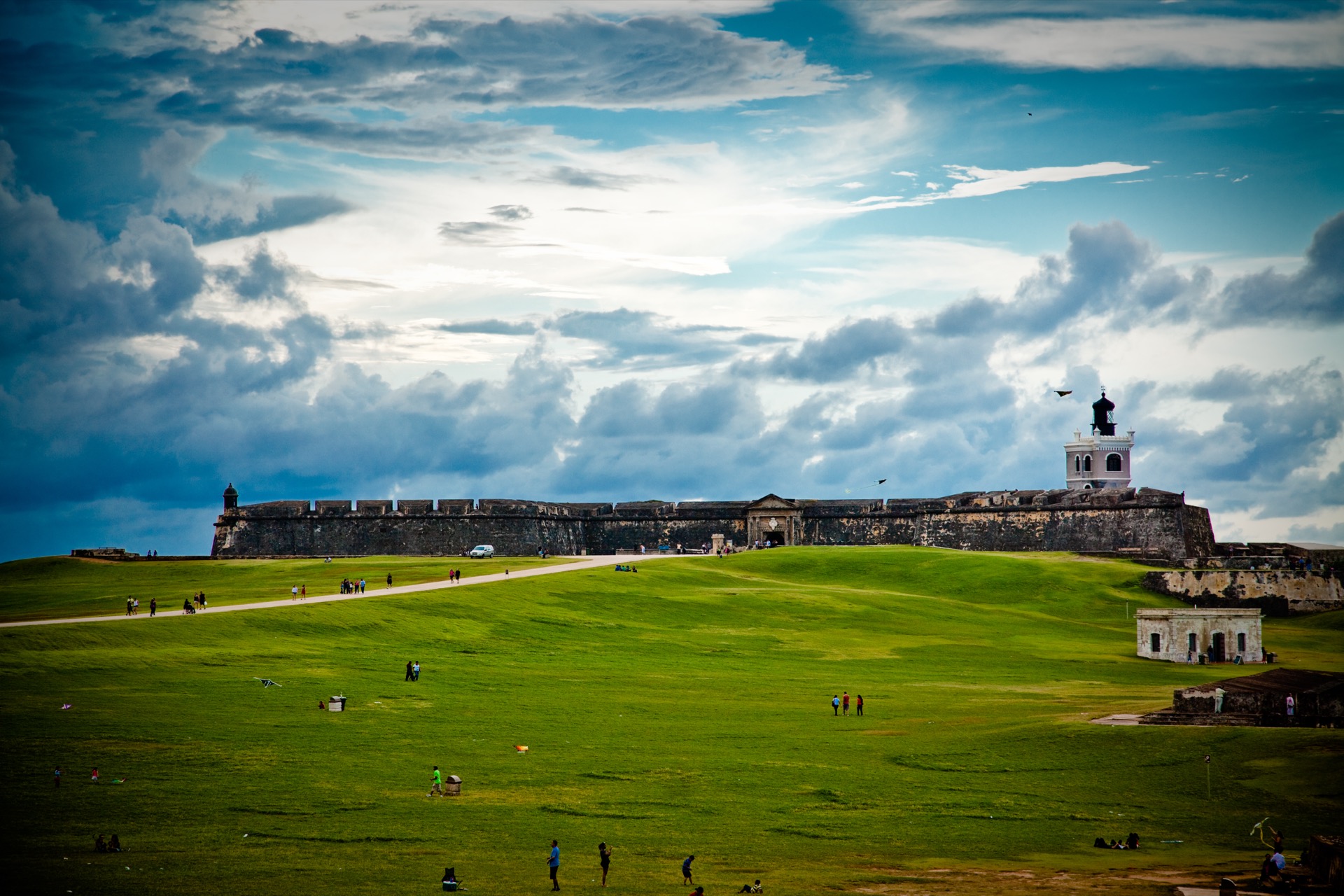
For travelers based on the main island, this is the bio bay that fits a road trip rather than an island-hop. No ferry and no flight are required to reach Fajardo. The trade-off is that the glow is wild, not theatrical: moonlight, rain, wind, and water temperature all affect how bright the blue-green flashes appear. The reserve itself covers about 316 acres. It also includes the Faro de Las Cabezas de San Juan, built in 1880 and officially lit on May 2, 1882. The lighthouse is a daytime landmark, at night, the paddling route through the mangroves becomes the main event. For a broader comparison of the island's bio bays, La Parguera and Mosquito Bay in Vieques have separate logistics and ecosystems. Laguna Grande is the version where the approach--narrow, dark, root-lined--is inseparable from the payoff.
What the glow actually is
The light is biological. Pyrodinium bahamense are dinoflagellates that flash when disturbed, a defense mechanism. They do not glow on command for visitors, they respond to movement. Kayak guides often ask paddlers to stop, lift dripping hands, and watch the water trail. The effect can look like sparks or a faint cloud, depending on conditions. The darker the night, the better the contrast. Around a new moon, with clear skies and little rain, the bay offers the strongest visual odds. A full moon can wash out the phenomenon, even when the organisms are present.
The reserve setting matters. Las Cabezas de San Juan is a protected area, so access is managed. That protects the red mangrove and the water quality the dinoflagellates need. The lighthouse adds a fixed point in a landscape that otherwise changes with tide, weather, and darkness. The story is not just a glowing lagoon, it is a short expedition through a mangrove nursery to reach one.
How to do it yourself
A nighttime guided kayak trip is the usual route, because the path runs through managed reserve channels and the bay is not a swim or walk-in attraction. Timing around the new moon gives the best odds, and operators that limit group size and provide safety lights make the paddle easier. Tours typically run after sunset, schedules shift with weather, so confirm the meeting point in Fajardo when reserving. The launch and route are in the Las Cabezas de San Juan area, not at a beach where a visitor can simply park and paddle alone. Clothes that can get wet, a dry bag, and flashlights kept off unless the guide asks are the practical basics. A bookable option is a guided nighttime kayak tour into Laguna Grande, described here as a small-group paddle through red-mangrove channels to the glowing lagoon, with naturalist context on Pyrodinium bahamense. Rates often run from $50 (estimated). Traveler reviews on the activity page can help before choosing an operator. For a daytime add-on, Seven Seas Beach is a short drive away. If the main-island bio bay is the goal, this is the Fajardo trip where the mangrove channel is half the memory.
Best tours and tickets in Fajardo
Curated from Viator. We may earn a commission if you book, at no extra cost to you.


Half-Day Yunque Rainforest Waterslide & rope swing Guided Tour

Icacos or Vieques All-Inclusive Snorkel & Waterslide Boat Tour


Icacos Deserted Island Catamaran, Snorkel, and Picnic Cruise

El Yunque Rainforest Waterslides, Waterfalls and Rope Swing
Frequently asked questions
Where is Laguna Grande located?
How do kayakers reach Laguna Grande?
What organism causes the glow in Laguna Grande?
Related guides
La Parguera: Puerto Rico's Only Bioluminescent Bay Where You Can Swim
La Parguera is the only bioluminescent bay in Puerto Rico where swimming is allowed most nights, which changes how a southwest trip gets planned.
Read more →Puerto Rico Beyond San Juan: Where to Go in 2026-2027
Discover Puerto Rico is targeting growth outside the metro area. Here is how to plan a 2026-2027 trip beyond San Juan, with routes, timing, booking tips.
Read more →Puerto Rico Flood Risk Rises This Weekend: What It Means for Your Trip
Puerto Rico faces a higher flood risk from Thursday, with stronger storms Friday and Saturday in the interior and west. Here is how to plan around it.
Read more →Puerto Rico Hurricane Season 2026: Hurricane Polo and How to Protect a Fall Trip
Hurricane Polo is a Pacific storm and no threat to Puerto Rico, but peak season is here. How to book a fall 2026 trip that survives a bad forecast.
Read more →Tamarindo Beach, Culebra: Why the Turtle Breakfast Shift Beats Gear
At Playa Tamarindo in Culebra, green and hawksbill turtles graze seagrass at dawn. Timing beats gear, and a few simple rules keep the feeding undisturbed.
Read more →Puerto Rico Rain Forecast: Afternoon Thunderstorms Are Back, So Plan Mornings Outdoors
Afternoon storms are back in Puerto Rico. How to shift beach, El Yunque and bio bay plans so rain doesn't wreck your trip.
Read more →